
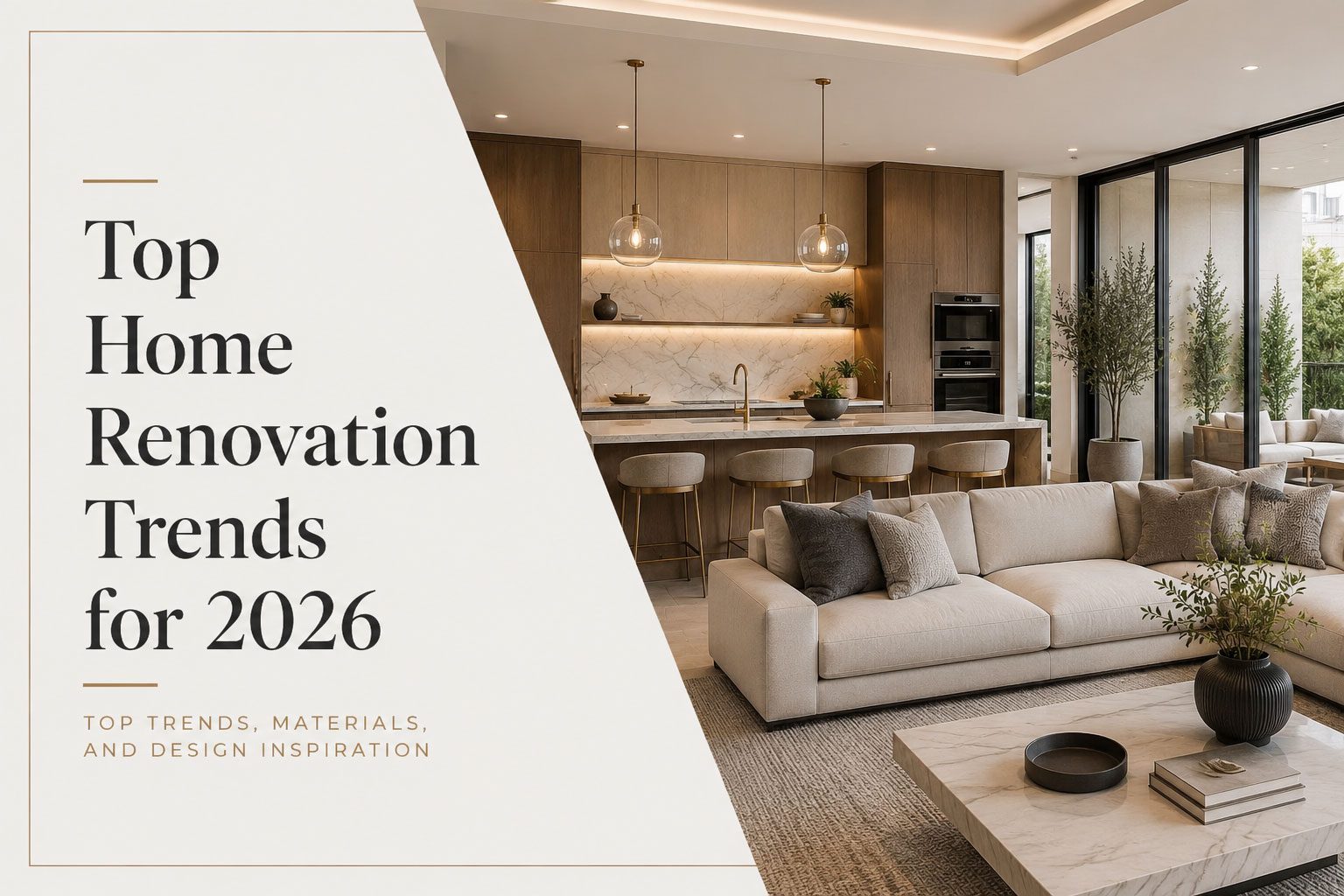
Kitchen Renovation Trends: Designing a Functional and Beautiful Kitchen for Modern Living
A kitchen renovation is one of the most valuable investments homeowners can make. As the heart of the home, today’s kitchens are expected to do much more than provide a place to cook. They serve as gathering spaces, workstations, entertainment hubs, and family meeting points. Modern kitchen design focuses on creating a balance between functionality, storage, comfort, and timeless style.
If you’re planning a kitchen remodel, understanding the latest design trends can help you create a space that remains practical and attractive for years to come. From innovative storage solutions to warm natural finishes and integrated technology, here are the top kitchen renovation trends shaping today’s homes.
Prioritize Function Before Style
While finishes and colours often get the most attention, the success of any kitchen renovation starts with an efficient layout. A beautiful kitchen that lacks functionality can quickly become frustrating to use.
One of the most important design principles is maintaining an effective workflow between the sink, refrigerator, and cooking area. Commonly known as the kitchen work triangle, this layout concept helps minimize unnecessary movement while preparing meals and completing daily tasks.
Homeowners are also embracing flexible floor plans that allow the kitchen to serve multiple purposes. Open-concept designs continue to dominate, encouraging interaction between cooking, dining, and living spaces. Built-in breakfast nooks and banquette seating are becoming increasingly popular, providing comfortable dining areas that maximize available square footage.
For larger homes, double kitchen islands are emerging as a highly desirable feature. One island can be dedicated to food preparation and cooking activities, while the second functions as a social space for dining, entertaining, or homework sessions.
Warm Minimalism Is Replacing All-White Kitchens
For years, white kitchens dominated interior design trends. While bright, clean spaces remain popular, homeowners are now seeking more warmth and personality in their kitchens.
Warm minimalism has become one of the leading design movements, emphasizing natural materials, soft textures, and inviting color palettes. Instead of stark white cabinetry and cool gray tones, designers are incorporating rich wood species such as white oak, walnut, and natural maple.
These natural finishes add character and create a welcoming atmosphere without sacrificing the clean aesthetic many homeowners desire.
The Rise of Two-Tone Cabinetry
Uniform kitchen designs are gradually giving way to more customized and layered looks. Two-tone cabinetry allows homeowners to introduce visual interest while maintaining a cohesive design.
A common approach involves pairing painted upper cabinets with wood lower cabinets or selecting a contrasting color for the kitchen island. Deep greens, navy blues, warm taupes, and earthy tones are frequently combined with natural wood finishes to create a sophisticated and timeless appearance.
This design strategy helps break up large expanses of cabinetry and allows specific features to stand out within the overall kitchen design.
Textured Cabinet Details Add Character
Flat-panel cabinet doors continue to be popular, but many homeowners are incorporating subtle texture to create a more customized appearance.
Features such as fluted wood panels, decorative millwork, beadboard accents, and detailed island finishes can add depth and visual interest without overwhelming the space. These design elements create a sense of craftsmanship and elevate the overall look of the kitchen.
Textured details work especially well on kitchen islands, range hoods, and feature cabinetry where they can become focal points within the room.
Smart Storage Solutions Are Essential
Storage remains one of the highest priorities for homeowners undertaking a kitchen renovation. Modern kitchens are expected to remain organized and clutter-free while accommodating a growing collection of small appliances, cookware, and pantry items.
Walk-in pantries continue to top homeowner wish lists. These dedicated storage areas provide space for food, countertop appliances, and household essentials while keeping the main kitchen clean and organized.
When square footage is limited, homeowners are turning to innovative alternatives such as pull-out pantry systems, vertical storage towers, and extra-deep drawers. These solutions maximize every inch of available cabinet space and improve accessibility.
Hidden storage features are also gaining popularity. Appliance garages, built-in coffee stations, concealed charging areas, and custom drawer organizers help keep countertops clear while maintaining easy access to frequently used items.
Seamless Appliance Integration Creates a Streamlined Look
Today’s kitchen designs emphasize clean lines and visual continuity. As a result, panel-ready appliances have become increasingly common across all budget levels.
Refrigerators, dishwashers, and other major appliances can now be concealed behind cabinet panels that match surrounding cabinetry. This creates a cohesive appearance and allows the kitchen’s design elements to take center stage.
Beyond aesthetics, homeowners are also investing in smart appliances that improve convenience and efficiency. Connected refrigerators, ovens, and dishwashers can be monitored and controlled through mobile apps, while smart faucets and voice-activated systems simplify everyday kitchen tasks.
Durable and Stylish Surface Materials
Countertops and backsplashes play a major role in both the appearance and performance of a kitchen.
Quartz remains one of the most popular countertop materials due to its durability, low maintenance requirements, and wide variety of colors and patterns. Homeowners continue to appreciate its resistance to stains, scratches, and everyday wear.
Another growing trend is the use of full-height backsplashes. Instead of traditional tile installations, many designers extend the countertop material up the wall to create a seamless and luxurious look. This approach minimizes grout lines while adding visual impact to the space.
Natural stone materials such as quartzite also remain highly desirable for homeowners seeking unique patterns and premium aesthetics.
Sustainability and Energy Efficiency Matter More Than Ever
Modern kitchen renovations increasingly incorporate environmentally conscious choices. Homeowners are seeking products that reduce energy consumption while maintaining performance and style.
Energy-efficient appliances, induction cooktops, water-saving fixtures, and sustainable building materials are becoming standard considerations during the renovation process.
Many homeowners are also selecting cabinetry manufactured from responsibly sourced materials and low-emission finishes to support healthier indoor environments.
Layered Lighting Enhances Function and Ambiance
Lighting is often overlooked during the planning process, yet it has a significant impact on both functionality and atmosphere.
Instead of relying on a single ceiling fixture, today’s kitchens benefit from layered lighting designs that combine multiple light sources throughout the space.
Under-cabinet lighting improves visibility for food preparation and cooking tasks. Pendant lights over islands provide both illumination and decorative appeal. Accent lighting can highlight architectural features, while decorative sconces add warmth and character.
By combining task, ambient, and accent lighting, homeowners can create a kitchen that functions efficiently during the day while offering a welcoming atmosphere in the evening.
Creating a Kitchen That Works for Your Lifestyle
The best kitchen renovations focus on more than current trends. They prioritize functionality, storage, durability, and personal style to create a space that supports everyday living.
Whether you’re updating your cabinetry, expanding storage, integrating smart technology, or selecting new finishes, careful planning can transform your kitchen into a space that is both beautiful and highly practical. By combining thoughtful design with quality materials, homeowners can create a kitchen that adds value to their home and enhances their daily experience for years to come.